
The concept of “Dark Tourism” may seem unconventional at first glance, but it has gained increasing popularity among adventurous travelers who seek to explore the darker side of history. From cities scarred by natural disasters to areas marked by wars, massacres, and other tragedies, Dark Tourism offers a unique and often profound perspective on humanity’s past.

In Iran, a country steeped in rich history and culture, there are several captivating destinations that fall under the category of Dark Tourism. For those with a penchant for the unusual and thought-provoking, these lesser-known sites offer a compelling and immersive experience.

One such destination is the Ardabil cannibal castle, shrouded in mystery and folklore. This centuries-old castle, located in northern Iran, has a haunting reputation for cannibalistic practices by its inhabitants during times of famine. Exploring its ancient walls and chambers is a journey into a dark chapter of Iran’s history, filled with legends and stories that continue to intrigue visitors.
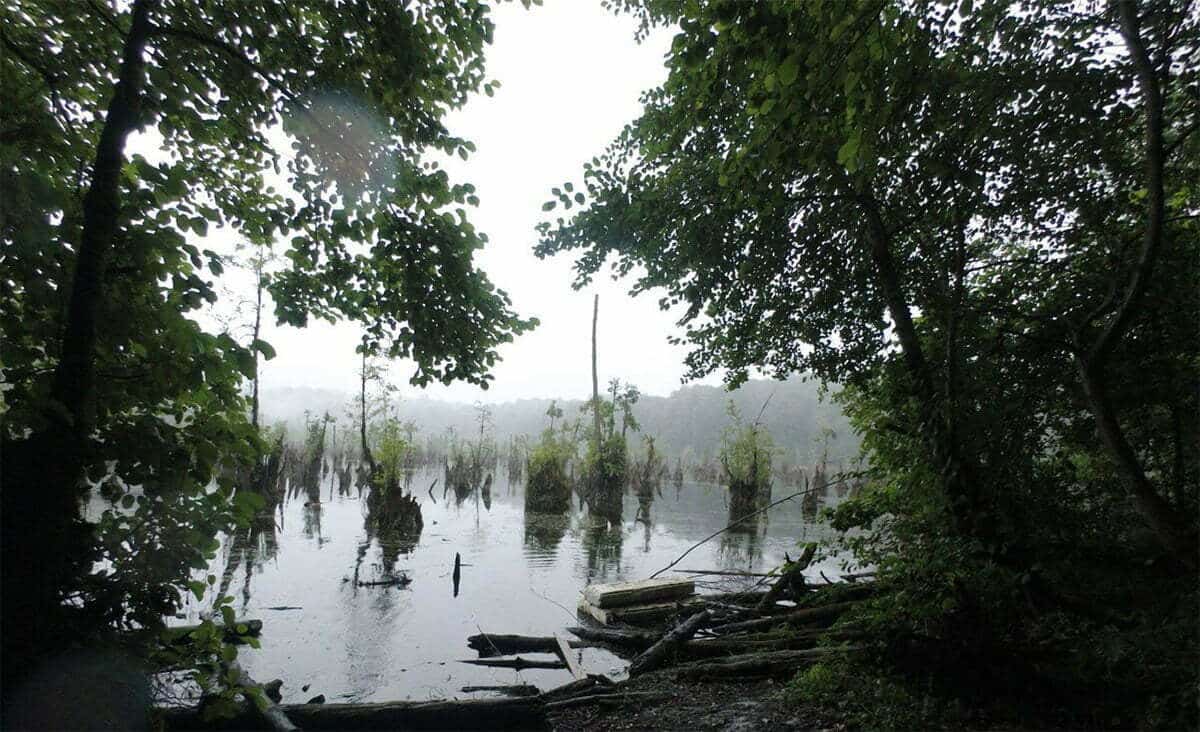
Nowshahr Ghost Lagoon - Dark Tourism destination in Iran with mysterious beauty
Unveiling the mystery of Nowshahr Ghost Lagoon, a captivating Dark Tourism destination in Iran.

Another enigmatic site is the Nowshahr ghost lagoon, a serene and otherworldly lake nestled in the lush forests of northern Iran. Legend has it that the lake is haunted by the spirits of those who perished in its waters, and locals believe it holds mystical powers. Visitors can witness the ethereal beauty of the lake while pondering the stories and folklore associated with its haunting reputation.

For those interested in Iran’s modern history, a visit to the Qasr prison museum in Tehran is a sobering and eye-opening experience. This former prison turned museum offers a glimpse into Iran’s tumultuous past, where political prisoners were held and subjected to harsh conditions. The exhibits provide a chilling reminder of Iran’s complex history and the struggles faced by those who fought for freedom and justice.
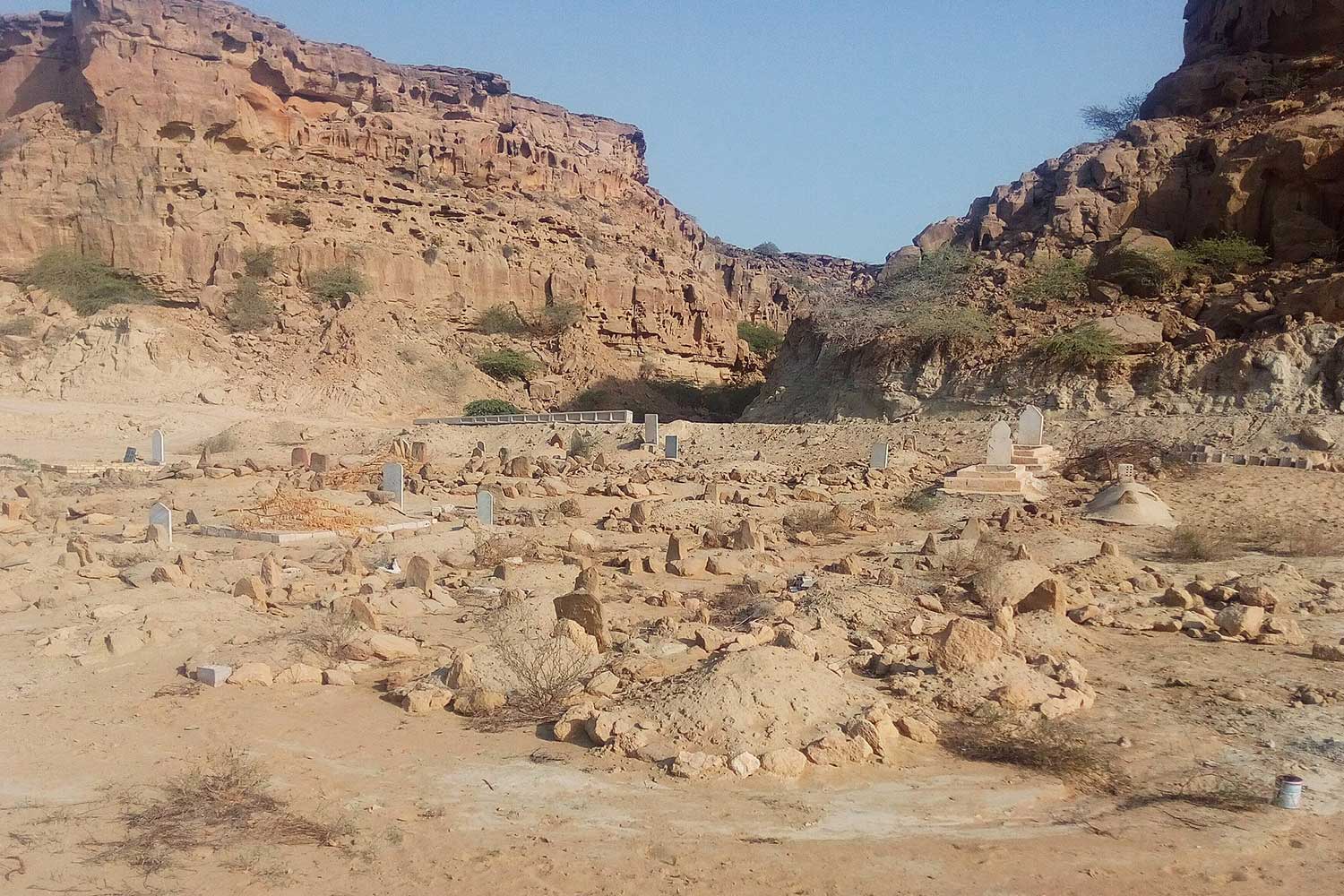
Jan Chabahar Cemetery: Unveiling the Stories of Iran's Dark Tourism Destination
Exploring the mysteries of Jan Chabahar Cemetery, a haunting destination in Iran with rich history and folklore.

Jan Chabahar cemetery is another intriguing destination for Dark Tourism enthusiasts. Located in southeastern Iran, this cemetery is known for its unique tombstones adorned with colorful tiles and intricate designs. Visitors can reflect on the cultural and religious customs surrounding death in Iran while marveling at the artistic craftsmanship of the tombstones.

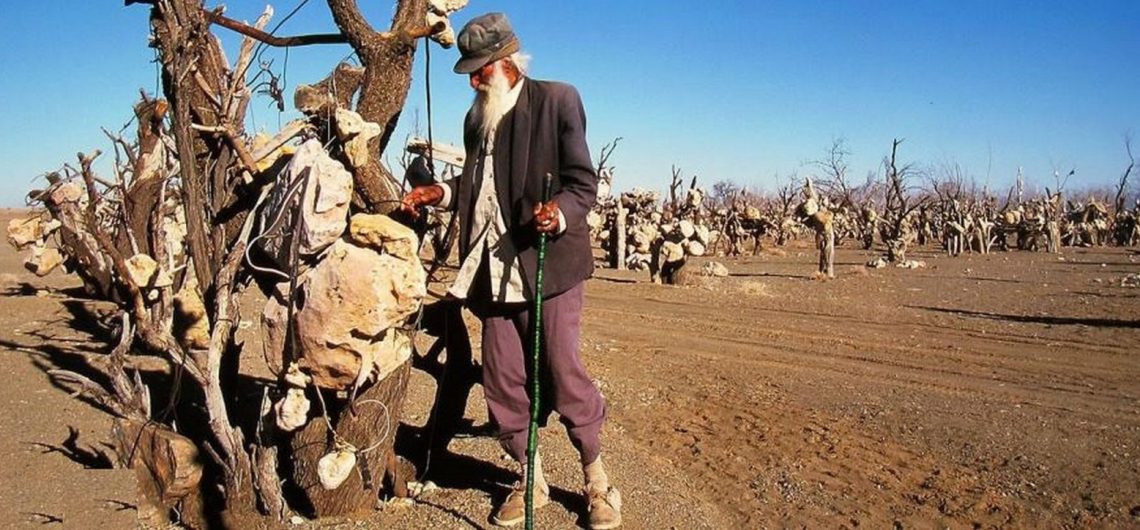
Last but not least, the Darvishkhan stone garden offers a surreal and captivating experience. Located in western Iran, this otherworldly garden is filled with intricate sculptures made of stone, depicting a wide range of themes from mythology to social commentary. The garden is a testament to the creativity and artistic expression of the late Darvishkhan, a local artist, and provides a thought-provoking insight into Iran’s contemporary art scene.

As with any form of tourism, it’s crucial to approach Dark Tourism destinations with sensitivity and respect for the local culture and customs. It’s important to be mindful of the significance of these sites to the local communities and to engage in ethical and responsible travel practices.

If you’re a curious and adventurous traveler seeking unique and thought-provoking experiences, exploring Iran’s Dark Tourism destinations can be a captivating and enriching journey. From ancient castles with dark legends to serene lakes with ghostly tales, Iran’s intriguing and enigmatic sites are sure to leave a lasting impression on those who dare to venture into the world of Dark Tourism.
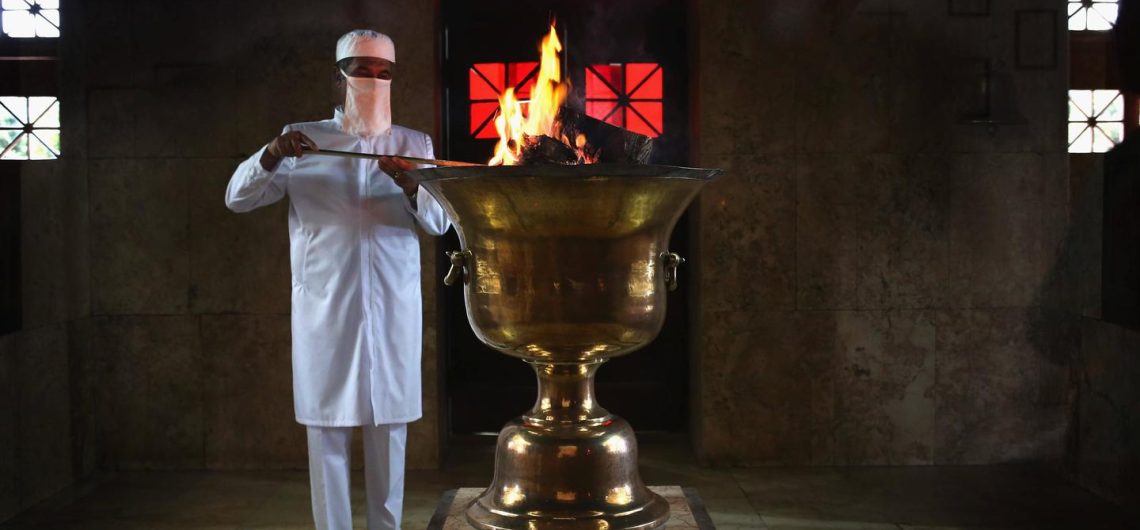
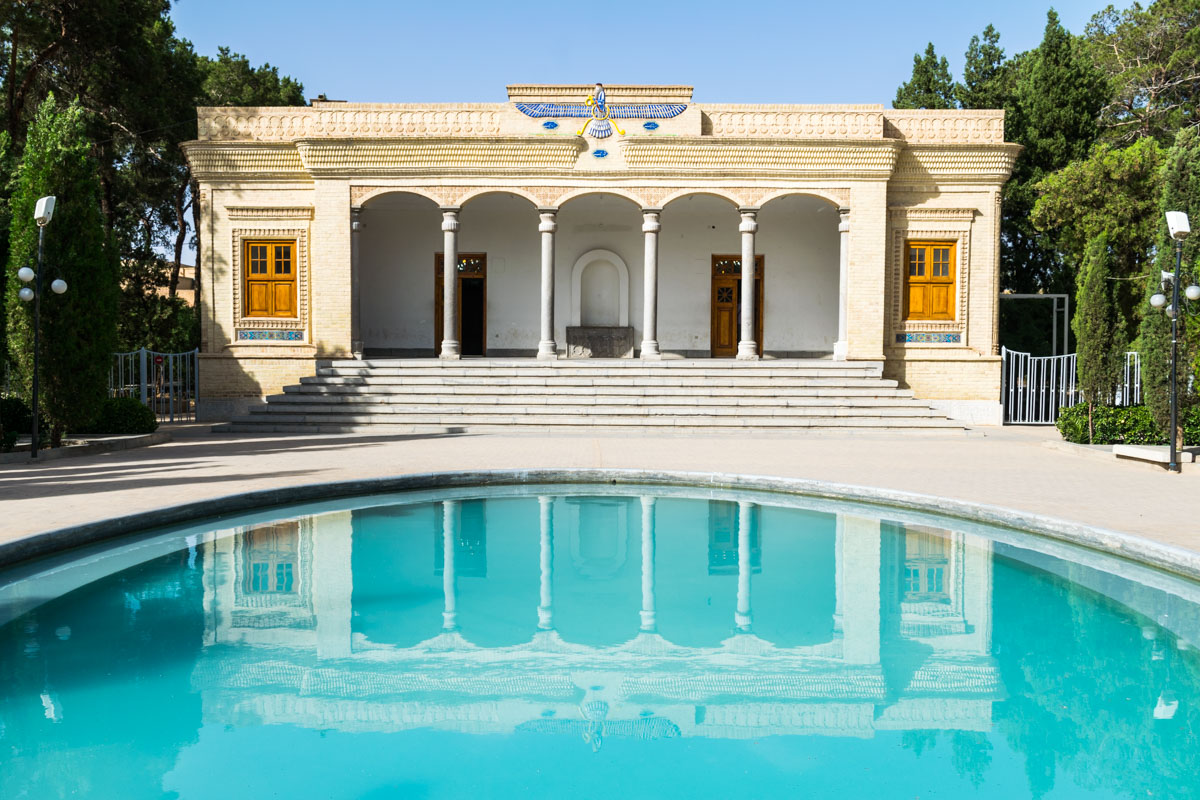
If you’re looking for a unique cultural experience in Iran, a visit to the Zoroastrian Fire Temple in Yazd is a must. As the most important Zoroastrian fire temple in the world, this ancient place of worship holds deep religious and historical significance for Zoroastrians, followers of one of the world’s oldest monotheistic religions.

The Zoroastrian Fire Temple in Yazd, also known as Atashkadeh, is believed to be one of the oldest continuously burning fire temples in the world, with a history dating back to the 5th century. The temple houses a sacred fire, which is believed to have been burning for over 1,500 years and is considered a symbol of purity and divine light in Zoroastrianism. The fire is continuously tended by priests, who ensure that it never extinguishes, making it a truly awe-inspiring sight to behold.

One of the most intriguing aspects of the Zoroastrian Fire Temple is its architecture. The temple’s design is a unique blend of Persian and Zoroastrian elements, reflecting the syncretic nature of Zoroastrianism, which has been influenced by local cultures throughout its long history. The temple features a central dome adorned with intricate tilework, symbolizing the cosmic vault of heaven, and a grand entrance gate guarded by two majestic stone lions, signifying the eternal guardians of the faith.

Zoroastrian Fire Temple in Yazd - Eternal Flame and Rich Heritage
Zoroastrian Fire Temple, Yazd, Iran

Inside the temple, visitors are greeted by a serene atmosphere and a sense of reverence. The main hall, where the sacred fire is housed, is adorned with ornate carvings, inscriptions, and colorful stained glass windows that depict scenes from Zoroastrian mythology and history. The fire is housed in a bronze vessel, which is placed on a raised platform and is visible through a glass enclosure. Visitors are not allowed to approach the fire, as it is considered sacred and only accessible to the temple’s priests.

One of the most captivating rituals that take place at the Zoroastrian Fire Temple is the daily ceremony of tending the sacred fire. The priests, known as Mobeds, perform elaborate rituals involving prayers, hymns, and offerings, as they tend to the fire with great care and devotion. The ceremony is a mesmerizing spectacle, and visitors are often allowed to witness this ancient ritual, which offers a glimpse into the rich spiritual heritage of Zoroastrianism.

Apart from its religious significance, the Zoroastrian Fire Temple also serves as a repository of Zoroastrian artifacts and manuscripts, which provide valuable insights into the history, beliefs, and practices of this ancient faith. The temple’s museum displays a fascinating collection of relics, including ancient scriptures, sacred texts, ceremonial objects, and traditional costumes, offering a glimpse into the rich cultural heritage of the Zoroastrian community.

The Zoroastrian Fire Temple in Yazd is not just a place of worship, but also a testament to the resilience and endurance of the Zoroastrian community, who have faced numerous challenges throughout history, yet have managed to preserve their faith and traditions. The temple serves as a center of community life, where Zoroastrians from all over the world come to worship, connect with their roots, and celebrate their cultural identity.

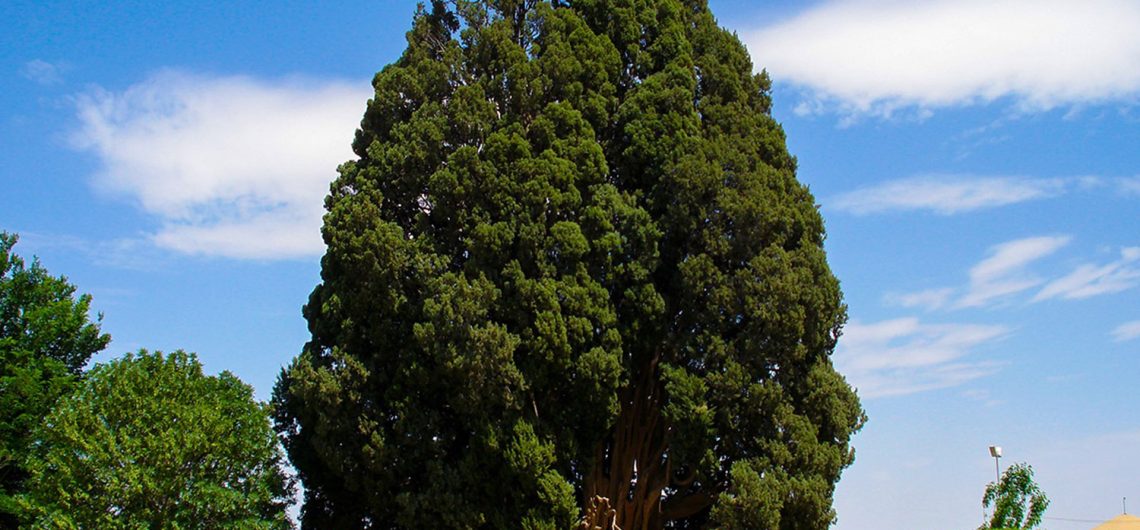
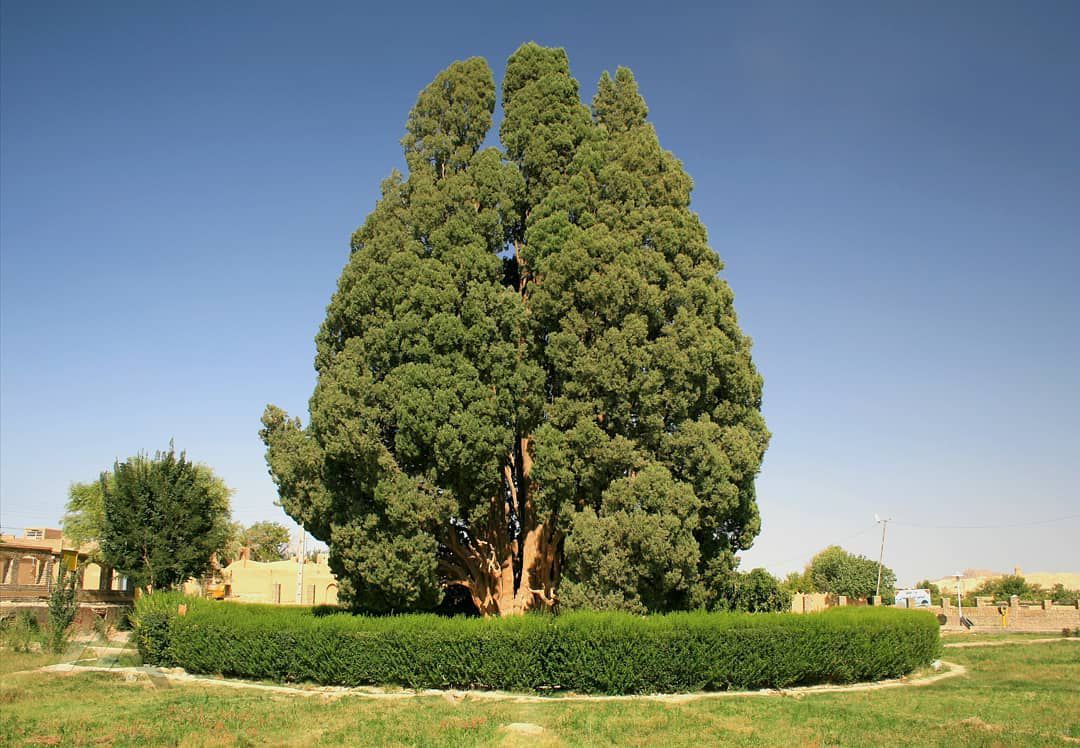
Are you planning a trip to Yazd, Iran? If so, make sure to add a visit to the Cypress Abarkooh to your itinerary. Known as the second oldest tree in the world, the Cypress Abarkooh is a symbol of ancient Iran, and its history and significance are truly fascinating.

Located in the Abarkooh city of Yazd province, the Cypress Abarkooh has been estimated by scientists to be between 4,000 and 8,000 years old. Standing at a height of about 28 meters and with a trunk circumference of around 18 meters, this giant cypress is still green and hardy.

 Cypress Abarkooh, the Second Oldest Tree in the World
The Cypress Abarkooh, a symbol of ancient Iran, is estimated to be between 4,000 and 8,000 years old.

But the Cypress Abarkooh is more than just an old tree. It holds a special place in Iranian mythology, as it is said to be a symbol of Ahuramazda, the Zoroastrian god. In fact, the legend goes that the tree was first planted by him. Other legends believe that the tree has a soul, and that this spirit protects it.

The Yazd Cultural Heritage and Tourism Organization is responsible for protecting the Cypress Abarkooh. To emphasize the importance of this natural wonder, the organization has erected a protective fence around it. The tree is also registered by the Cultural Heritage Organization of Iran and is awaiting UNESCO approval for world registration.

When planning your trip to Yazd, don’t miss the opportunity to see the Cypress Abarkooh, which is located 140 km from Yazd. This living symbol of ancient Iran is truly a sight to behold, and its history and mythology will leave you in awe.

In summary, if you’re looking for a unique and unforgettable experience, visit the Cypress Abarkooh and immerse yourself in the history and mythology of ancient Iran.

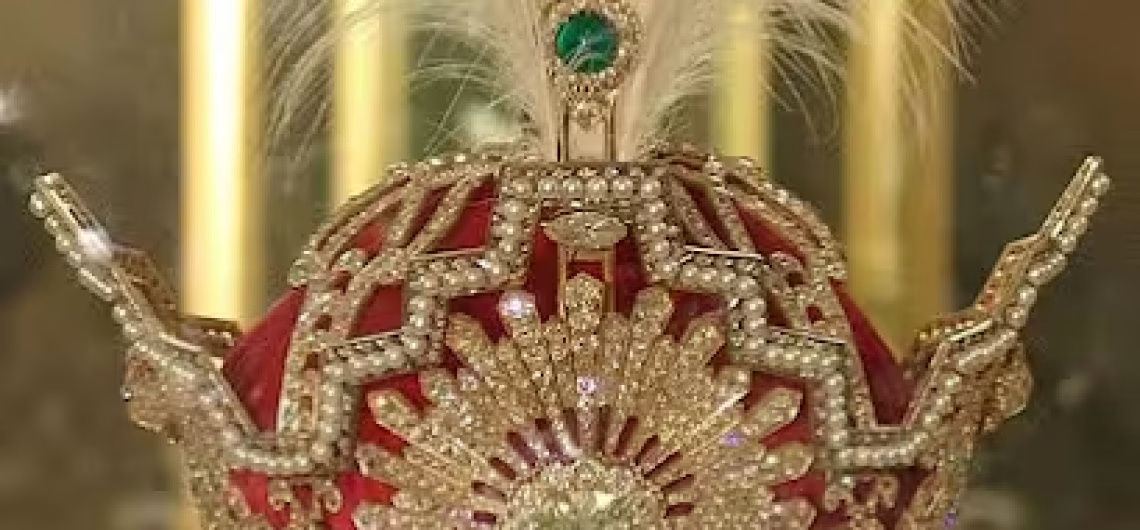
Immerse yourself in the world of luxury and splendor at Tehran National Jewelry Museum, which holds one of the finest collections of jewelry once worn and used by members of Persian royal dynasties. The Tehran National Jewelry Museum is housed within the Central Bank of the Islamic Republic of Iran, at the heart of the City of Tehran. It is the most astonishing, astounding and awe-inspiring museum you have ever been to.

The incomparable “Treasury of the National Jewels”, which is open to public, is a collection of the most expensive jewels of the world, collected over centuries.
Every piece of this collection is a reflection of the tumultuous history of this great nation, and artistry of the residents of this land. Each piece recalls memories of bitter-sweet victories and defeats, of the pride and arrogance of rulers who were powerful or weak.

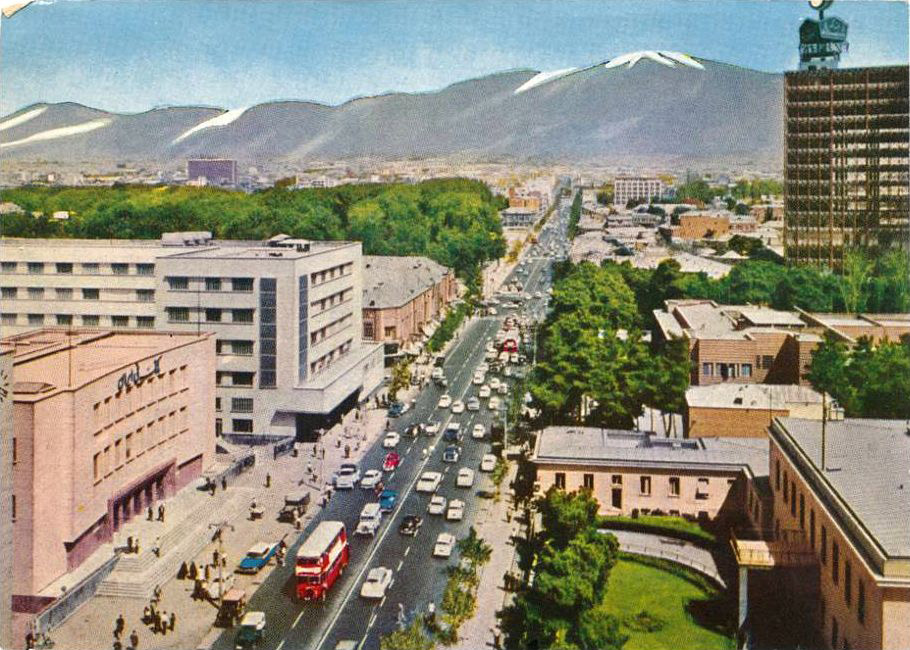
Treasury of National Jewels in 1962 (white building)

How much is the value of this collection in Tehran National Jewelry Museum ?

No one knows the answer to this question. Because this collection contains gems that are unique in the world. The answer to this question can be as the following: from the artistic viewpoint, historical background and containing incomparable jewels, the Tehran National Jewelry Museum is on a level that even the most expert evaluators of the world have not been able to calculate the price of this collection.

This Treasury, on one hand, depicts the culture and civilization of the Iranian people who have had an adventurous past, and on the other hand, repeats the silent tears of oppressed people who worked hard and instead the rulers, could show off their arrogance and power with their gold and jewels.

Our intention in presenting these jewels in Tehran National Jewelry Museum is to get you more acquainted with the rich culture and civilization of Iran. And to learn from history the fate of those who pursue power and hoard wealth. For this end we present this rich collection, which we have inherited and hope to preserve and pass on richer to our inheritors.

Treasury of National Jewels in 1962 (white building)

The value of the objects in the Tehran National Jewelry Museum is not limited to their economic value, but is also a reflection of the creativity and taste of Iranian craftsmen and artist over the different eras of history, and represents the artistic and cultural heritage of the vast country on Iran.
These jewels and rarities were decorations for the rulers during the past eras, and often showed the glory and extravagance of their courts, as well as their power and wealth.

Don’t Miss…

Don’t miss the highlights of the collection: the largest uncut pink diamond in the world, the Peacock Throne, and the 1869 globe fully encrusted with precious stones – emeralds for the oceans, rubies for the land, and diamonds for the countries of Iran, Great Britain, and France. Most of the pieces in the collection changed hands many times since the 16th century when Safavid Shahs scavenged Europe, Middle East, and India looking for these exquisite gems. Although diminished from what it once was, the current collection is still so vast and valuable that it serves as a reserve for the Iranian currency, the Rial.

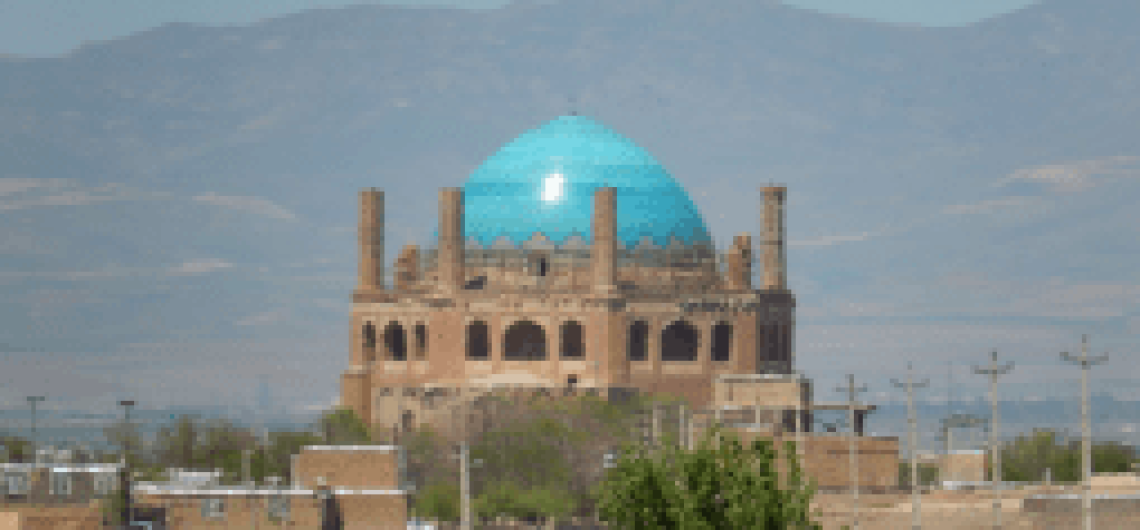
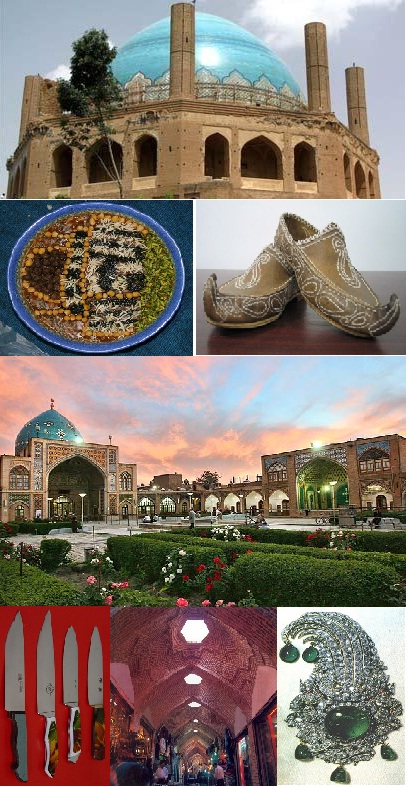
Zanjan Province is one of the 31 provinces of Iran. Located in Iranian Azerbaijan with mostly Azerbaijani residences, it is part of Iran’s Regions 3. Its capital is Zanjan city. The province lies 330 km northwest of Tehran, connected to it by a freeway. Zanjan is the happiest province in Iran.

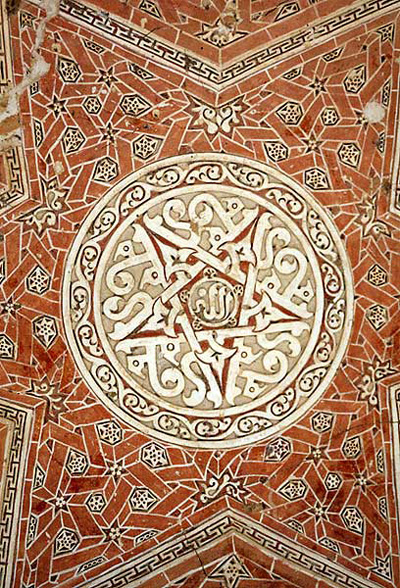
Soltaniyeh's tiles (interior designs)
Soltaniyeh’s tiles (interior designs)

Zanjan has an area of 22,164 km2, occupying 1.34% of the Iranian territory. In the northwest of Iran, Zanjan covers joint borders with seven provinces: East Azerbaijan, West Azerbaijan, Hamadan, Kurdistan, Gilan, Ghazvin and Ardabil. Zanjan has a highland climate characterized by cold snowy weather in the mountains and moderate climate in the plains in wintertime. The average maximum temperature of Zanjan is around 27 °C, whereas the average minimum temperature minimum stands at -19 °C. The average annual rainfall in the first month of spring stands at 72 millimeters. The rate of humidity in the morning stands by average at 74%and at noon at 43%.

Hamdollah Mostowfi, the Iranian traveler and historian, in his book claims that Zanjan was built by Ardashir I, the first king of the Sassanid Empire and named as “Shahin”. One important moment in the history of the city was in 1851 when the city became a center for the Babi uprisings, along with Neyriz and a fortress known as Sheikh Tabarsi.

The forces of the central government captured the Babi fort in Zanjān after a long siege. According to Bosworth, who quotes Hamdollah Mostowfi, the inhabitants during the Ilkhanid era spoke “pure Pahlawi”, a Median or northern form of Persian.

Zanjan city was a major city in pre-historic Azerbaijan. It is said that the Sassanid king Ardashir I of Persia, reconstructed the city and called it Shahin, but later it was renamed Zangan: the present name is the Arabicized form. In past times Zanjān’s name was Khamsen, which means “province with five tribes. Zanjam Province incorporates areas of the former Gerrus Province.

The people of Zanjān province speak Azerbaijani Turkish. Tati language is spoken in the northern part of the upper Tarom-e Olya on the slopes of the Alborz Mountains. In about 8 villages (Charzheh Balklur, Jamal Abad, Hezar-rud, Bandar-Gah, Siavoud, Nokian, Quhijan), they speak Tati. Hamdollah Mostowfi, in the book of Nishat al-Qoulub, written about 1339 AD, introduces Zanjāni people as Sunni But during the Safavid period, with the support of the Safavids, the Shi’a religion has gradually become prevalent.

Reference: Cultural Heritage, Handicrafts & Tourism Organization of Iran, Iran Travel guide. Iran: 2018

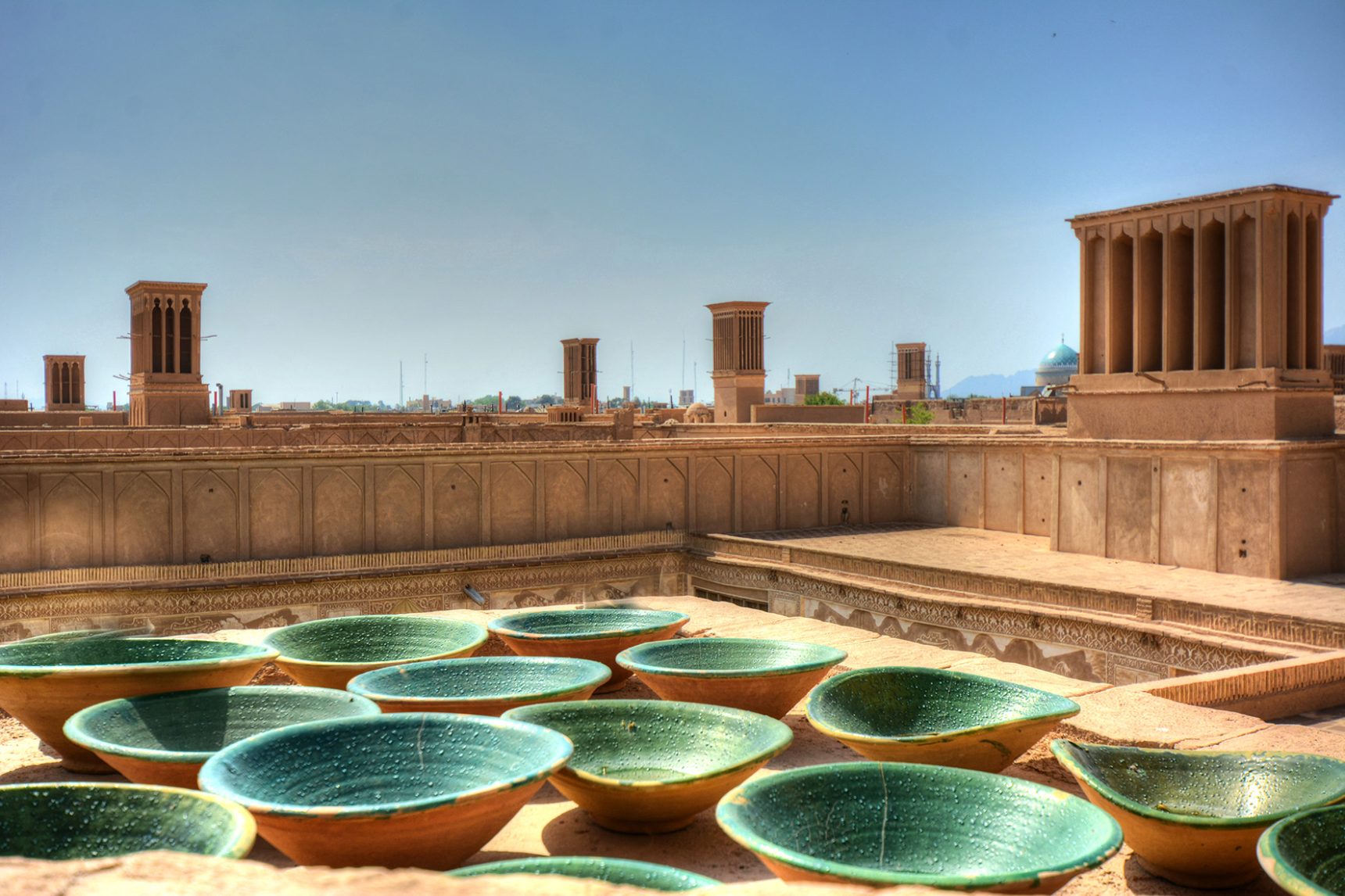
Yazd Province is one of the 31 provinces of Iran and located in the heart of the country. Its administrative center is the city of Yazd. The province has an area of 131,575 km2. The city of Yazd is the economic and administrative center of the province and therefore the most populated.

Yazd is the driest major city in Iran, with a yearly precipitation amount of 49 mm and only 23 days of precipitation, which is also the hottest city north of the Persian Gulf coast, with summer temperatures very frequently above 40 °C in blazing sunshine with no humidity. Even at night the temperatures in summer are rather intolerable. In the winter, the days remain mild and sunny, but in the morning the thin air and low cloudiness cause very cold temperatures that can sometimes fall well below 0 °C.

Malekzadeh House (Yazd Art House)

Yazd province was considered to be an important passage in historical periods. The area has been one of the most well-established routes for railways, postal and harbor centers during the Achaemenes period. Since roads maintenance in Yazd was so important, the Al-Mouzaffar family came to power as they used to be in charge of roads maintenance of the Meybod district. This province has been somewhat immune from the conflicts and wars took place during Iran’s history. The harshness of the roads, along with the limitation of water resources, has been a major obstacle to conquer this area by some of the great and small governments throughout history. There are so many signs and constructions in Yazd province which indicate to the depth of culture and civilization in the land during pre and post-Islamic period.

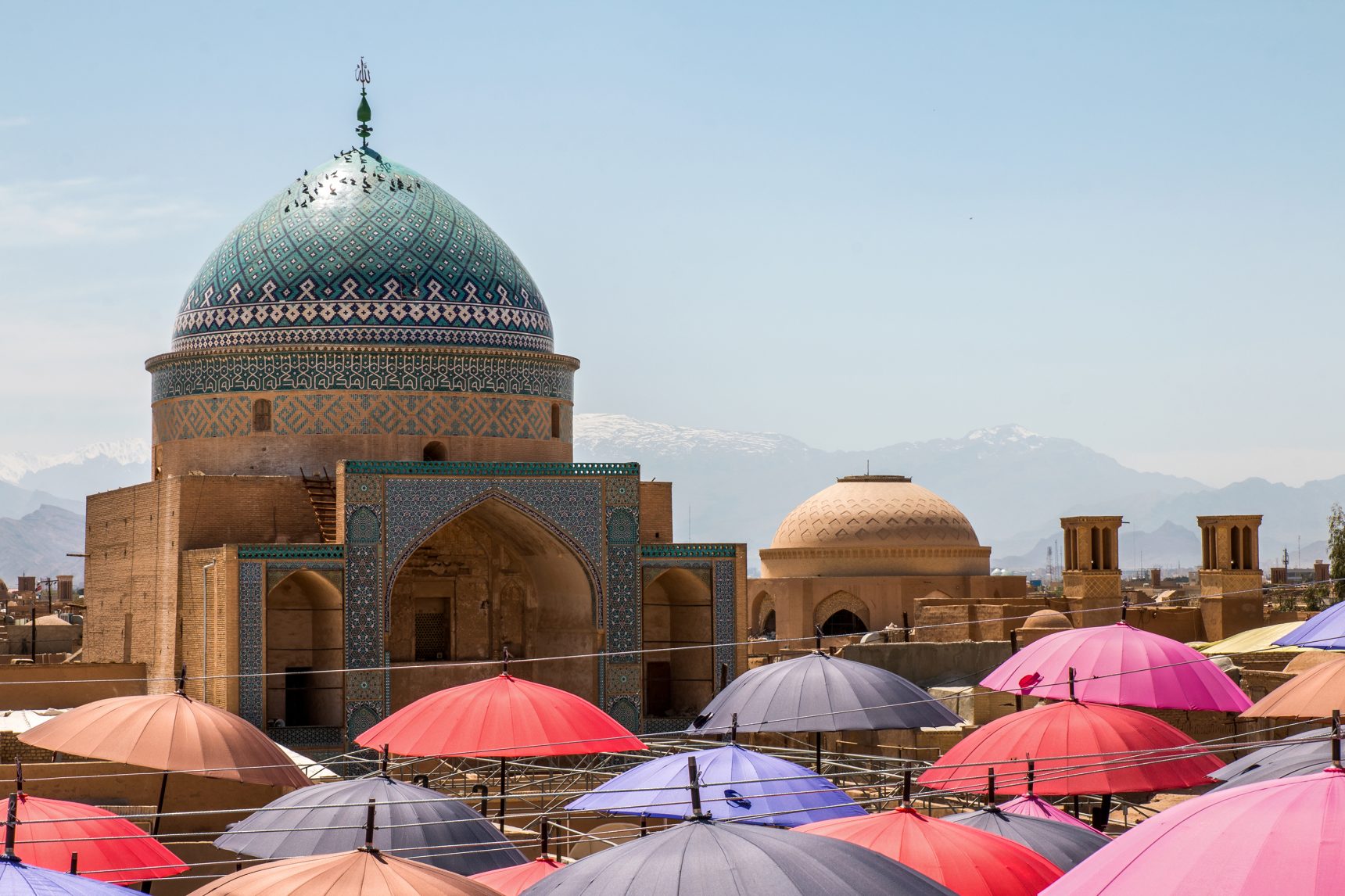
Tomb of Seyed Roknildin -Negin Mohamadi Fard

The majority of the people of Yazd are Persians, and speak Persian with Yazdi accent which is different from Persian accent of Tehrān; but there are also small populations of other Iranian ethnicities in the city such as Azerbaijanis and Qashqais who speak Persian as their second language.

Reference: Cultural Heritage, Handicrafts & Tourism Organization of Iran, Iran Travel guide. Iran: 2018

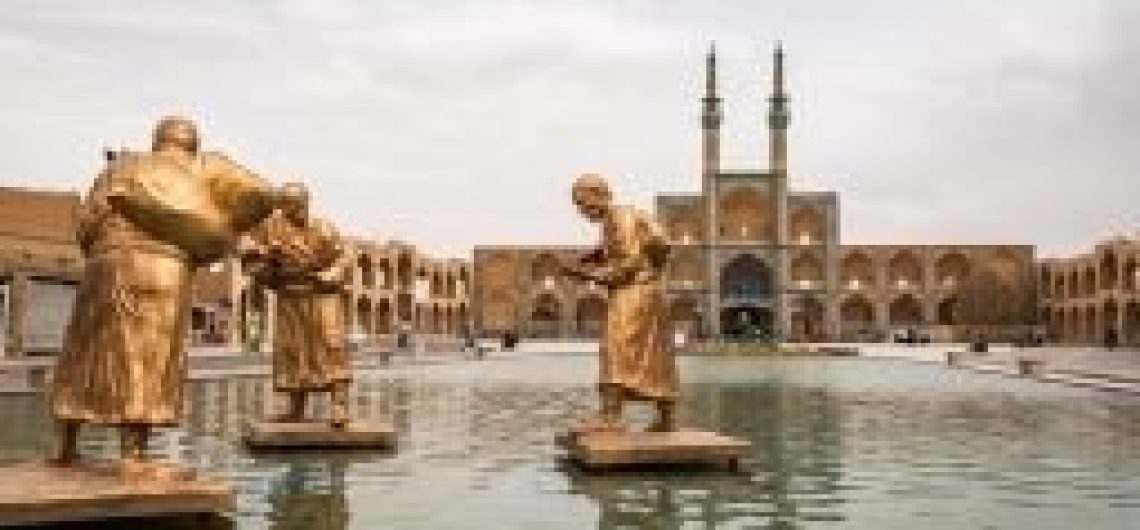
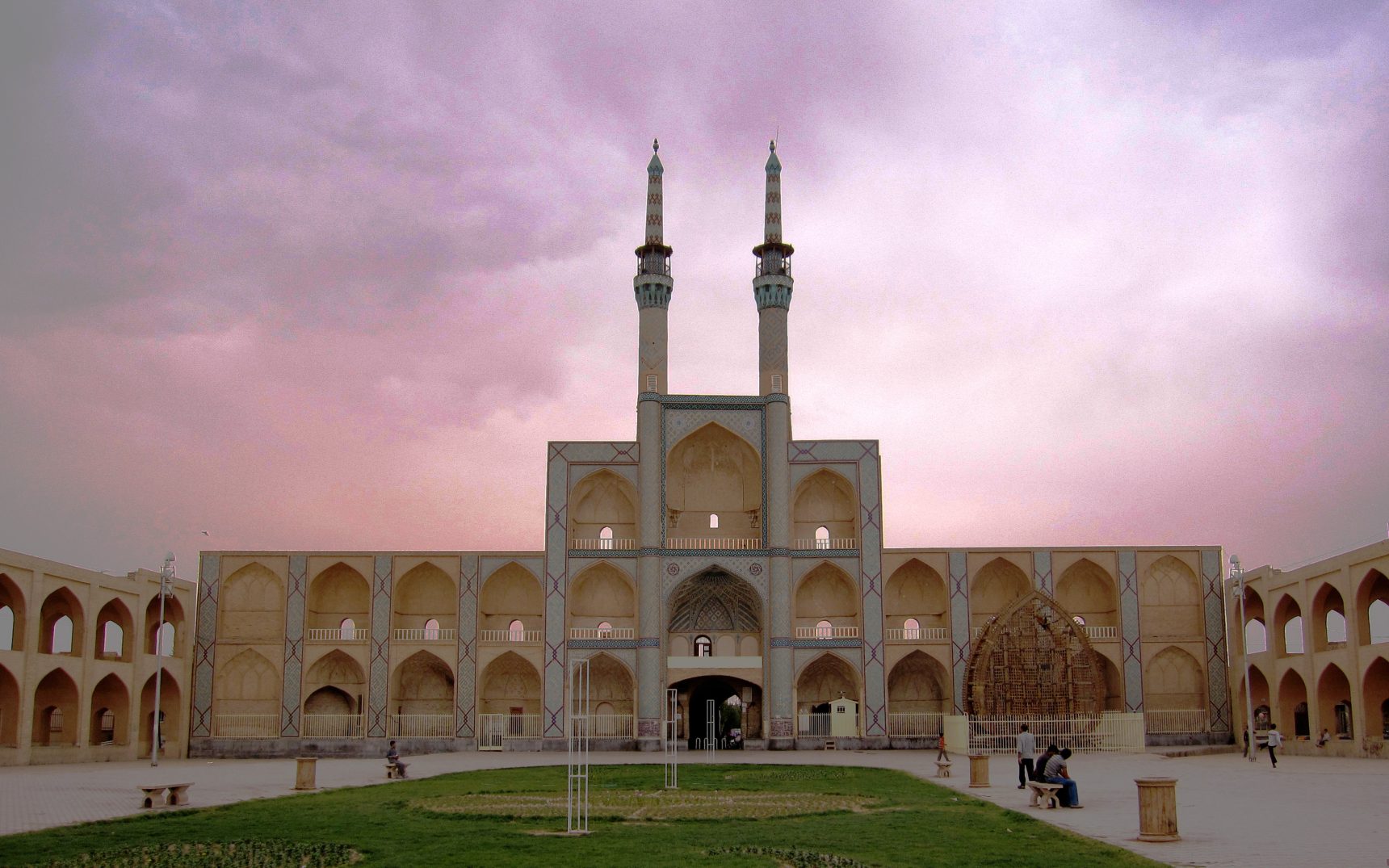
Iran - Yazd - Amir Chakmaq Complex
Iran – Yazd – Amir Chakmaq Complex

West Azerbaijan Province is one of V the 31 provinces of Iran. It is in the northwest of the country, bordering Turkey, Iraq and Azerbaijan’s Nakhichevan Autonomous Republic, as well as the provinces of East Azerbaijan, Zanjan and Kurdistan. It is separated from Armenia by Turkey’s short border with the Azerbaijan Republic. The province of West Azerbaijan covers an area of 39,487 km2. The capital and largest city of the province is Uremia.

With an area of 43,660 square km, including Lake Uremia, the province of West Azerbaijan is located on the northwest of Iran. The climate of the province is largely influenced by the rainy winds of the Atlantic Ocean and Mediterranean. Cold northern winds affect the province during winter and cause heavy snow.

The major known ancient civilization in the region was a state between Urartian and Assyrian sphere of influence. Mannaeans in turn spoke a language related to Urartian. After the fall of Assyria, the region was known as Mantiene (or Matiene) in Greek sources. Matiene bordered on Atropatene situated east of Lake Urumiä. In the late 4th century the Sassanids incorporated the area into the neighbouring Adhurpadagan satrapy to the east. At 7th century this area was under Islamic rule. After Babak Khorramdin revolted, the grip of the Abbasid caliphate weakened, allowing some native dynasties to rise. By the first half of the 11″ century the Byzantine emperors were actively trying to found off their eastern territories, in an attempt to absorb the unstable Armenian dynasties.

West Azerbaijan possesses a rich culture, stemming from Azeri and Kurdish traditions. Many local traditions, such as music and dance, continue to survive among the peoples of the province. As a longstanding province of Persia, West Azerbaijan is mentioned favorably on many occasions in Persian literature by Iran’s greatest authors and poets:

All the nobles and grats of Iran,

Choose from Azarbaijan, Rey, and Gorgan

Tehran Province is one of the 31 provinces of Iran. It covers an area of 18,909 square kilometers (7,301 sq. mi) and is located to the north of the central plateau of Iran. The province was put as part of First Region with its secretariat located in its capital city, Tehran, upon the division of the provinces into 5 regions solely for coordination and development purposes on June 22, 2014. Tehran Province borders Mazandaran Province in the north, Qom Province in the south, Semnan Province in the east, and Alborz Province in the west. The metropolis of Tehran is the capital city of the province and of Iran. Tehran Province is the richest province of Iran as it contributes approximately 29% of the country’s GDP. Furthermore, it houses approximately 18% of the country’s population. Tehran Province is the most industrialized province in Iran; 86.5% of its population resides in urban areas and 13.5% of its population resides in rural areas. The province gained importance when Tehran was claimed the capital by the Qajar dynasty in 1778.

The province of Tehran has over 13 million inhabitants and is Iran’s most densely populated region. The largest rivers of this province are Karaj River and Jaj-Roud River. Environmentally, the climate of Tehran province in the southern areas is warm and dry, but in the mountain vicinity is cold and semi-humid, and in the higher regions is cold with long winters. The hottest months of the year are from mid-July to mid-September when temperatures range from 28 °C (82 °F) to 30 °C (86 °F) and the coldest months experience 1 °C (34 °F) around December January. Average annual rainfall is approximately 200 millimeters (79 in). On the whole, the province has a semi-arid, steppe climate in the south and an alpine climate in the north.

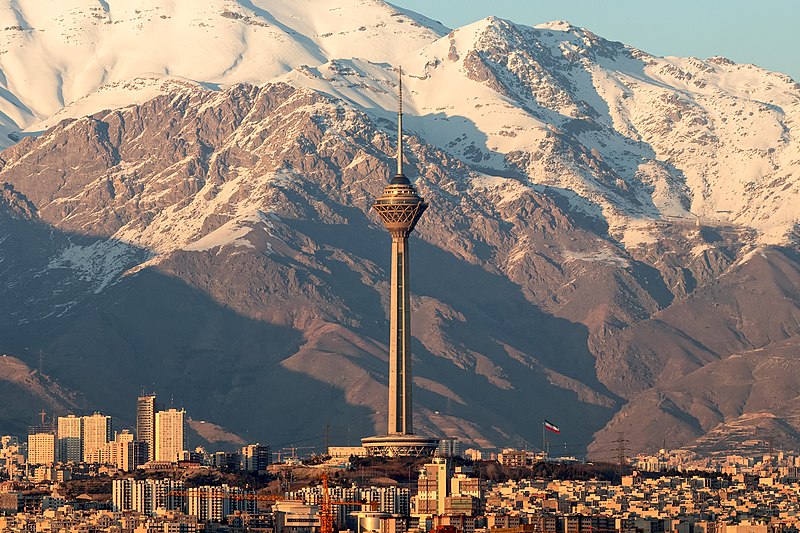
Vista de Teherán desde la Torre Milad, Irán

Tehran Province has several archeological sites indicating settlements dating back several thousand years. Until 300 years ago, Rey was the most prominent city of the province. However, the city of Tehran rose to become the larger city and capital of Iran by 1778, and since then has been the political, cultural, economic, and commercial nucleus of Iran. Tehran has over 1.500 historical sites of cultural significance registered with the Cultural Heritage Organization of Iran. The oldest of these in Tehran province are the remains of two sites in Firouz-Kouh County that date back to the 4th millennium BCE.

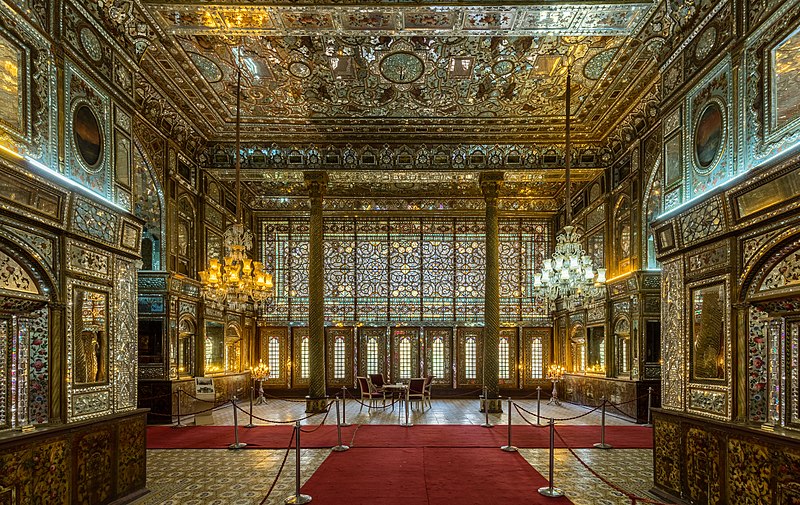
Palacio de Golestán, Teherán, Irán
Tehran Milad Tower
Tehran Milad Tower
National Garden, Tehran Azadi Tower

Even though the Tehran is the meeting point of many ethnic and linguistic groups, it is dominated by the Persian culture and language, as well as the Shiite branch of Islam, with which the majority of the population identifies.

The Islamic Revolution had a distinctive cultural impact. Within this framework, traditional arts such as calligraphy and music have seen a revival, with many educational institutional and galleries involved. Alongside the more traditional centers of cultural activity, cultural centers, and libraries were established to cater to the young urban population. Tehran is modern, vibrant city.

National Garden, Tehran

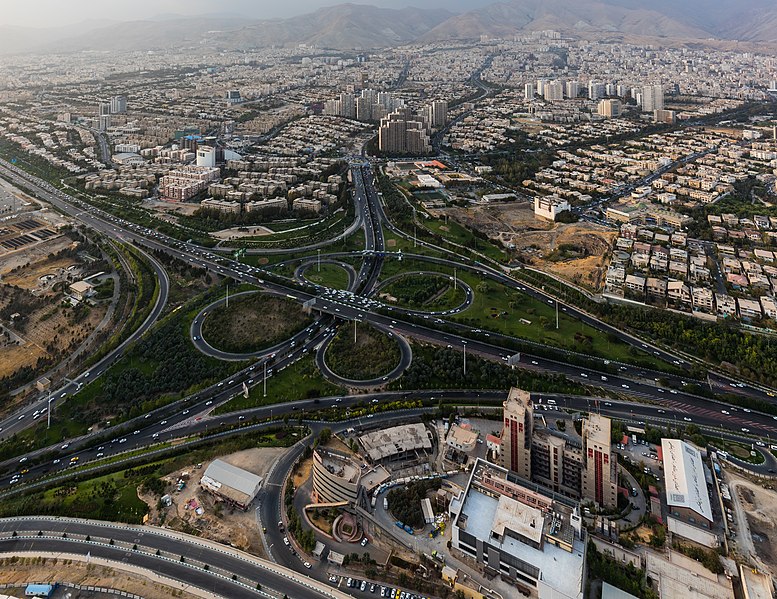
Its skyline is dominated by snowcapped mountains and a proliferation of high-rise buildings. Tehran’s architecture is eclectic; while many buildings reflect the international Modernist style, others display postmodern, Neoclassical, and traditional Persian styles, others display postmodern, Neoclassical, and traditional Persian styles. Tehran’s vibrancy is marked by large crowds of young people, numerous shopping malls, commercial streets, and bustling public squares. The city mixes tradition with modernity and religious imagery with different lifestyles. From art to history and anything else you can imagine, are available in Tehran museums. Tehran is the biggest and most important educational center of Iran. Today there are nearly 50 major colleges and universities in total in Greater Tehran. Since the establishment of Dar-ol-Fonoun in the mid 1800s, Tehran has amassed with a large number of institutions of higher education.

Palacio de Golestán, Teherán, Irán

Reference: Cultural Heritage, Handicrafts & Tourism Organization of Iran, Iran Travel guide. Iran: 2018

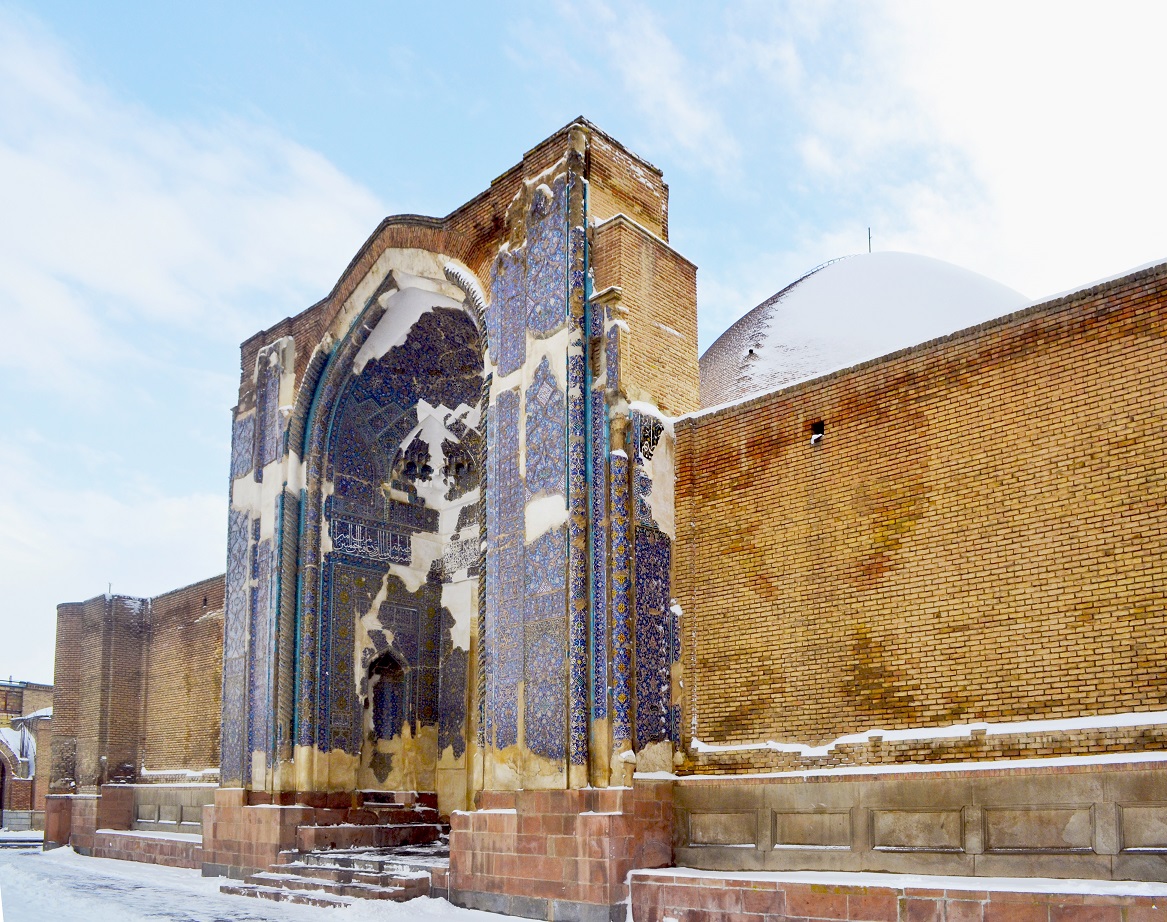
Tabriz, the City of Compassion, is one of the most historically important cities of Iran, which played a major role in the Constitutional Revolution of the early 1900s. Some of the historical sites in Tabriz such as the magnificent Blue Mosque of Tabriz and the 700-year-old Rab’-e Rashidi University have been devastated by the several earthquakes which have rocked the city throughout its history. The ruins, however, still tell of their glorious past. Once the city where Qajar Crown Princes resided before coming into power, Tabriz is the city of extravagantly decorated mansions, many of which have been turned into museums.

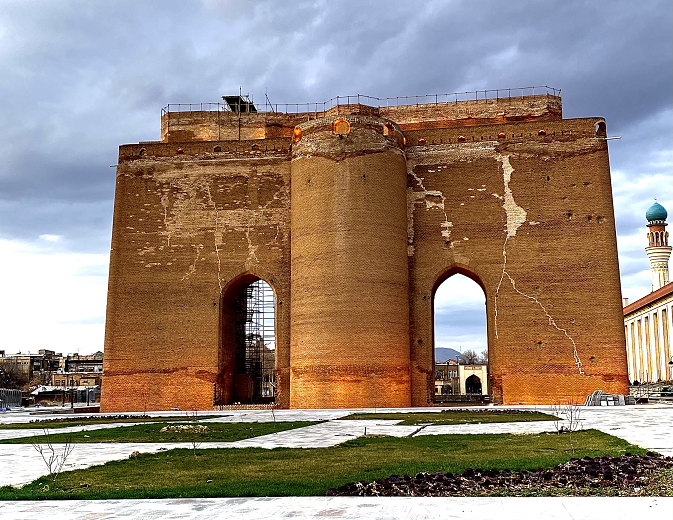
Arg Alishah

The early history of Tabriz is not well-documented. The earliest inscription about Tabriz, referring to the city as Tarui or Tauris, is on the Assyrian King Sargon II’s epigraph in 714 BC. Tabriz has been chosen as the capital for some rulers commencing from Atropates era. A recent excavation at the site of the Iron Age museum, in the north of the Blue Mosque site, uncovered a graveyard of 1″ millennium BC. More likely the city has been destroyed multiple times either by natural disasters or by the invading armies. The earliest elements of the present Tabriz are claimed to be built either at the time of the early Sassanids in the 3rd or 4th century AD, or later in the 7th century. The Middle Persian name of the city was T’awres.

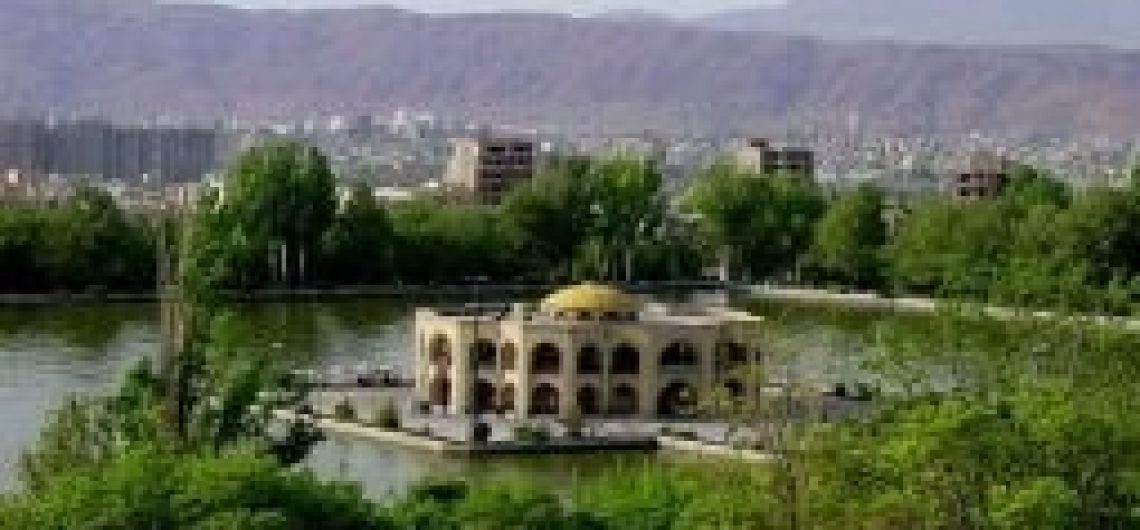
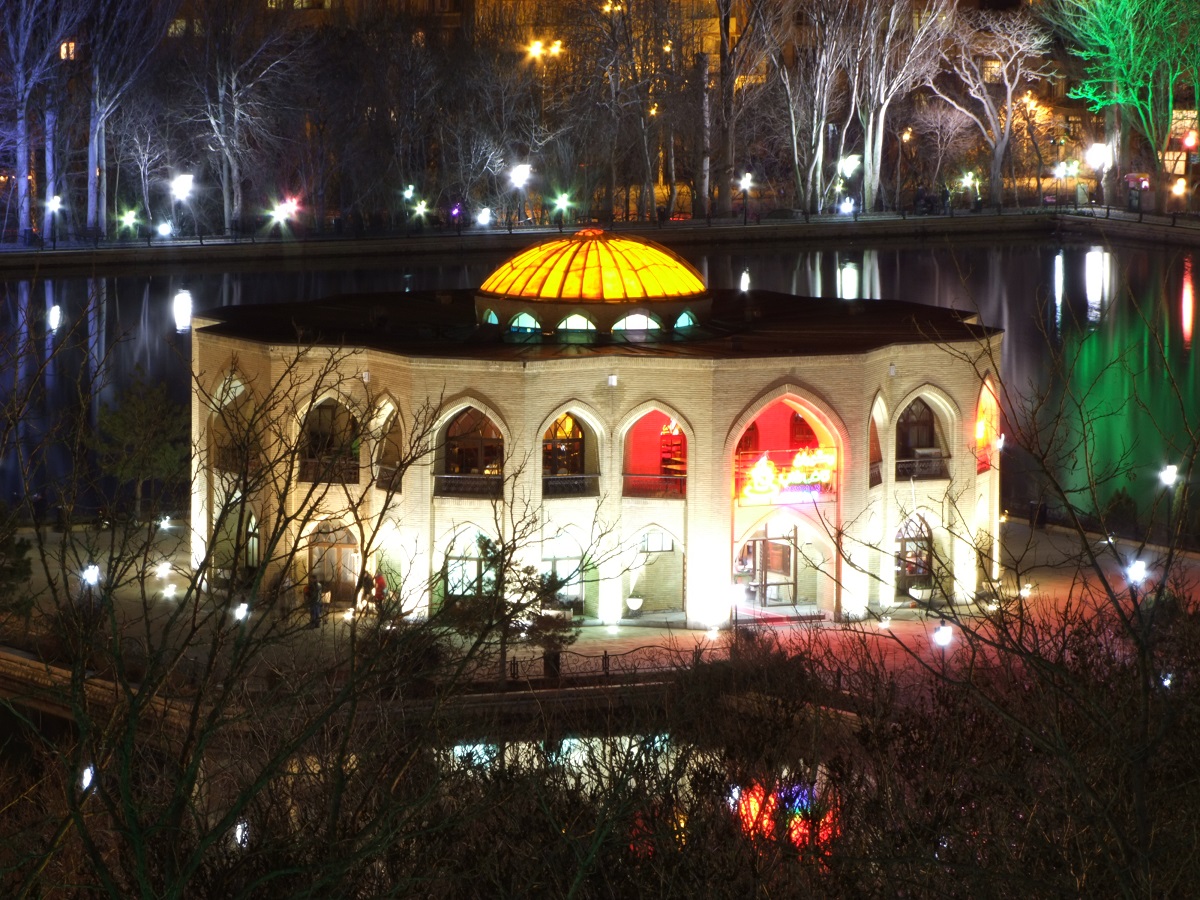
El Gölü (Şah Gölü) - panoramio
El Gölü (Şah Gölü) – panoramio

After the Muslims conquest of Iran, the Arabic Azd tribe from Yemen resided in Tabriz. The development of post-Islamic Tabriz began as of this time. The Islamic geographer Yaqut al-Hamawi says that Tabriz was a village before Rawwad from the tribe of Azd arrive at Tabriz, In 791 AD, Zubaidah, the wife of Abbasid caliph Harun al-Rashid, rebuilt Tabriz after a devastating earthquake and beautified the city so much as to obtain the credit for having been its founder.

Goymachid

In 1501, Shah Ismail I entered Tabriz and proclaimed it the capital of his Safavid state. In 1514, after the Battle of Chaldiran, Tabriz was temporarily occupied by the Ottomans. Tabriz retaken by Iranian forces and it remained the capital of Safavid Iranian Empire until 1548. In that year Shah Tahmasp 1 transferred it to Qazvin to avoid the growing threat of Ottoman army to his capital.

Thanks to the geographical features and communications with nearby countries’ enlightenment movements, Tabriz became the center of the Iranian Constitutional Revolution movements between 1905 and 1911, which led to the establishment of a parliament in Iran and the formation of a constitution. Sattar Khan and Bagher Khan, two Tabrizi reformists who led Tabriz people’s solidarity against absolute monarchy, had a great role in Constitutional Revolution. In 1909, Tabriz was occupied by the Russian forces. Four months after the constitutional revolution’s success, in December 1911, the Russians reinvaded Tabriz. After crushing the local resistance by invading Russian troops, they started suppressing the constitutional revolutionaries and residents of the city. 1200 Tabriz residents were executed following the invasion Russian troops. As a result of the campaign, Tabriz was occupied by the Russian forces between 1911 and 1917.

Reference: Cultural Heritage, Handicrafts & Tourism Organization of Iran, Iran Travel guide. Iran: 2018

Sistan and Balouchestan Province is one of the 31 provinces of Iran. It is located in the southeast, bordering Pakistan and Afghanistan and its capital is Zahedan. The province is the second largest province in Iran (after Kerman province), with an area of 181,785 km2.

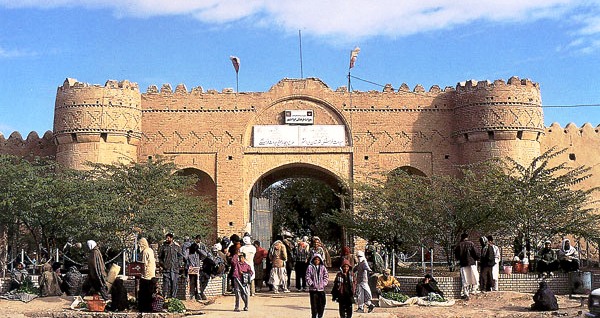
Ghaleh naseri
Ghaleh naseri

The province comprises two sections, Sistan in the north and Baluchestan in the south. The province is subject to seasonal winds from different, the most important of which are the 120-day wind of Sistan know as Levar, the Qousse wind, the Seventh (Gavkosh) wind, the Nambi or south wind, the Houshak wind, the humid and seasonal winds of the Indian Ocean, the North or (Gurich) wind and Nambi or south wind, the Houshak wind, the humid and seasonal winds of the Indian Ocean the North or (Gurich) wind and the Western ( Gard) wind.

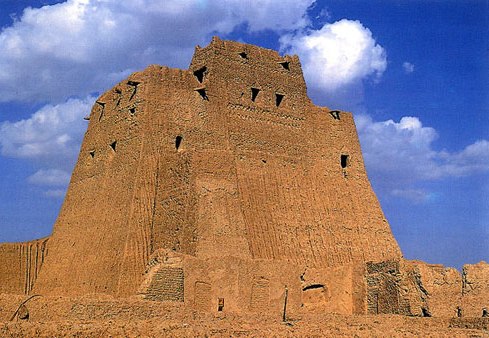
SAB FORT
SAB FORT

In terms of climate classification, Sistan and Balouchestan province is dry. The Sistan Plain, located in the middle of the desert has a rainfall of less than 65 mm a year, with a vaporization of more than 5,000 mm.

In the reliefs of Bisotoun and Perspolis, Sistan is mentioned as one of the eastern territories of Darius the Great. The name Sistan is derived from Saka, a Central Asian tribe that had taken control over this area in the year 128 BCE. During the Arsacid Dynasty, the province became the seat of Suren-Pahlav Clan. From the Sassanid period till the early Islamic period, Sistan flourished considerably.

During the reign of the second caliph of Islam, Omar Ebn-e Al-Khattab, this territory was conquered by the Arabs and an Arab commander was assigned as governor. The famous Persian ruler Ya’qoub Leyth Saffāri, whose descendants dominated this area for many centuries, later became governor of this province. In 916 CE, Balouchestān was ruled by the Daylamids and thereafter the Seljuqids, when it became a part of Kerman. Dynasties such as the Saffarids, Samanids, Qaznavids, and Seljuqids, also ruled over this territory.

Under the rule of the Seljugids in Kermān, the Balouchestan region was also occupied and was subordinate to Kermān. After the rule of Nader, Balouchestan belonged to Iran perfunctory, but the central government did not have full control over it.

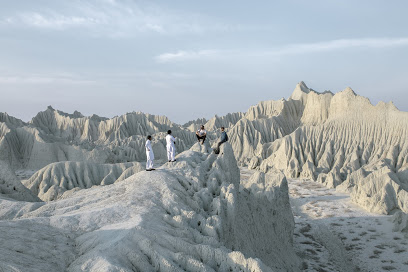
Martian Mountains in Chabahar region in Sistan and Baluchestan Province

In the south, east and west of Sistan and Baluchestan, the people are mostly Balouch and speak the Baluchi language. In the far north of Sistan and Baluchestan the people are mostly Persians and speak a dialect of the Persian language in Afghanistan.

Baluchis are predominantly Sunni Muslims. Sistanis, however, are predominantly Shia Muslims.The local costume refers the climatic conditions of Balochistan, which is warm and dry, since the people used to choose their clothes on this basis from the oldest times.

Reference: Cultural Heritage, Handicrafts & Tourism Organization of Iran, Iran Travel guide. Iran: 2018